
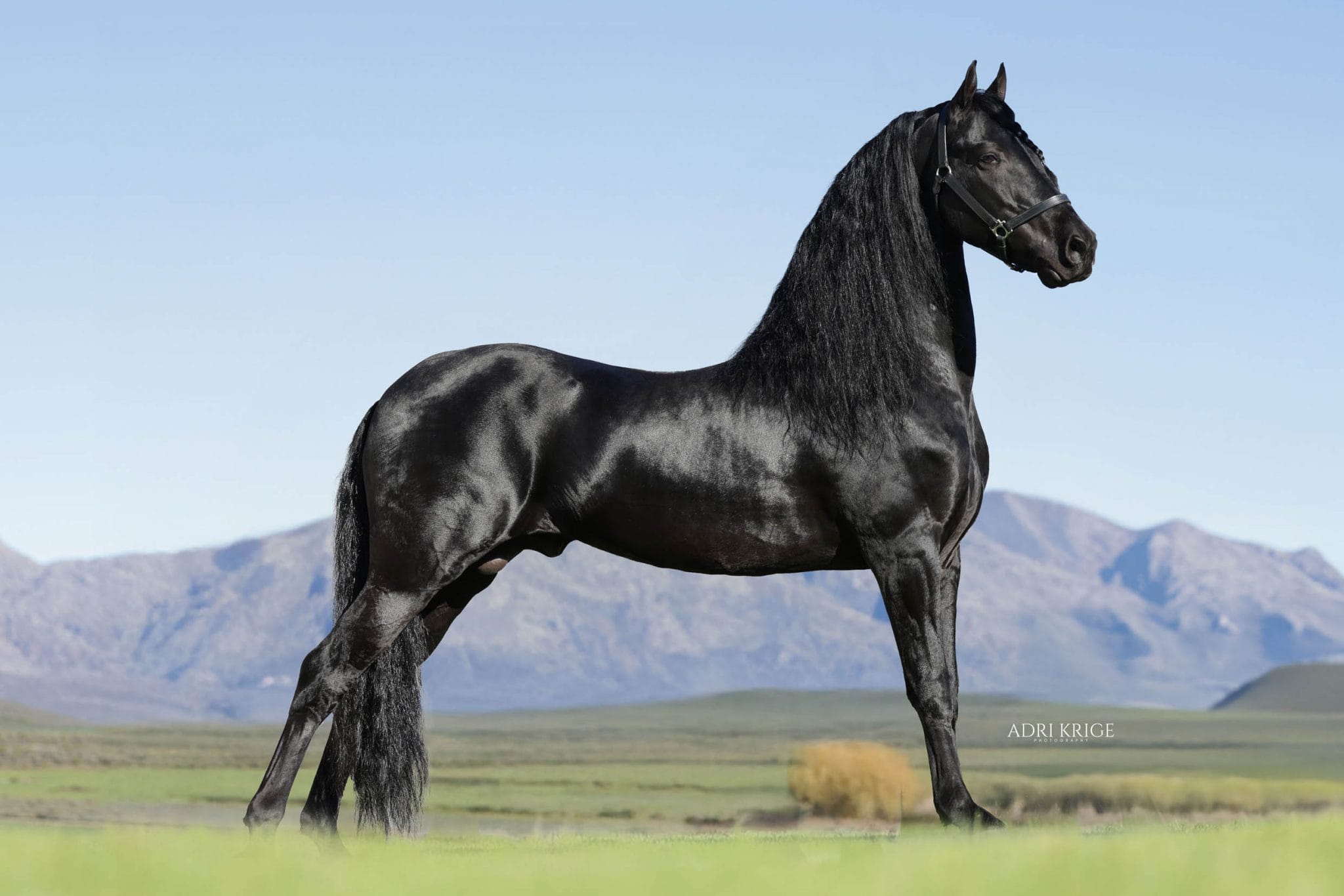
Equine photography · A guide for horse owners
The Art of Equine Photography
Eight questions horse owners often ask me about equine photography, from what makes a horse portrait timeless to how a session with your horse unfolds.
Eight questions horse owners ask
Your questions, gently answered
Choose a question to go straight to my answer, or settle in and read the whole guide.
- 01Capturing Grace: The Art of Equine Photography and Why You Need an Expert Photographer?
- 02What are the Unique Challenges of Equine Photography?
- 03What Essential Equipment Makes Capturing Equine Beauty Effortless and Stunning?
- 04What Are the Best Techniques for Stunning Equine Portraits?
- 05Why Is Understanding Equine Behaviour Essential for Better Shots?
- 06Why Is the Importance of Lighting in Equine Photography Often Overlooked?
- 07Why Does Choosing the Right Location for Equine Shoots Matter So Much?
- 08How Can You Elevate Your Equine Experience with Expert Photography?
Question 01 / 08
Capturing Grace: The Art of Equine Photography and Why You Need an Expert Photographer?
In the world of photography, few subjects evoke the same sense of beauty and grace as horses. Their strength, elegance, and spirited nature create a captivating canvas for any photographer. However, capturing this essence requires more than just a keen eye; it demands an expert touch.
The art of equine photography blends technical skill with an understanding of horse behaviour, enabling photographers to freeze moments that speak to the heart. Whether you're looking to commemorate a beloved companion or showcase a prized competitor, engaging an experienced photographer can make all the difference.
With their ability to frame the perfect shot, understand lighting, and forge a connection with these majestic creatures, an expert will not only enhance the aesthetic quality of your images but also ensure that the personality and spirit of your horse shine through. Join us as we explore the art of equine photography, and why investing in a professional is essential for bringing your equine vision to life.
All eight questions ↑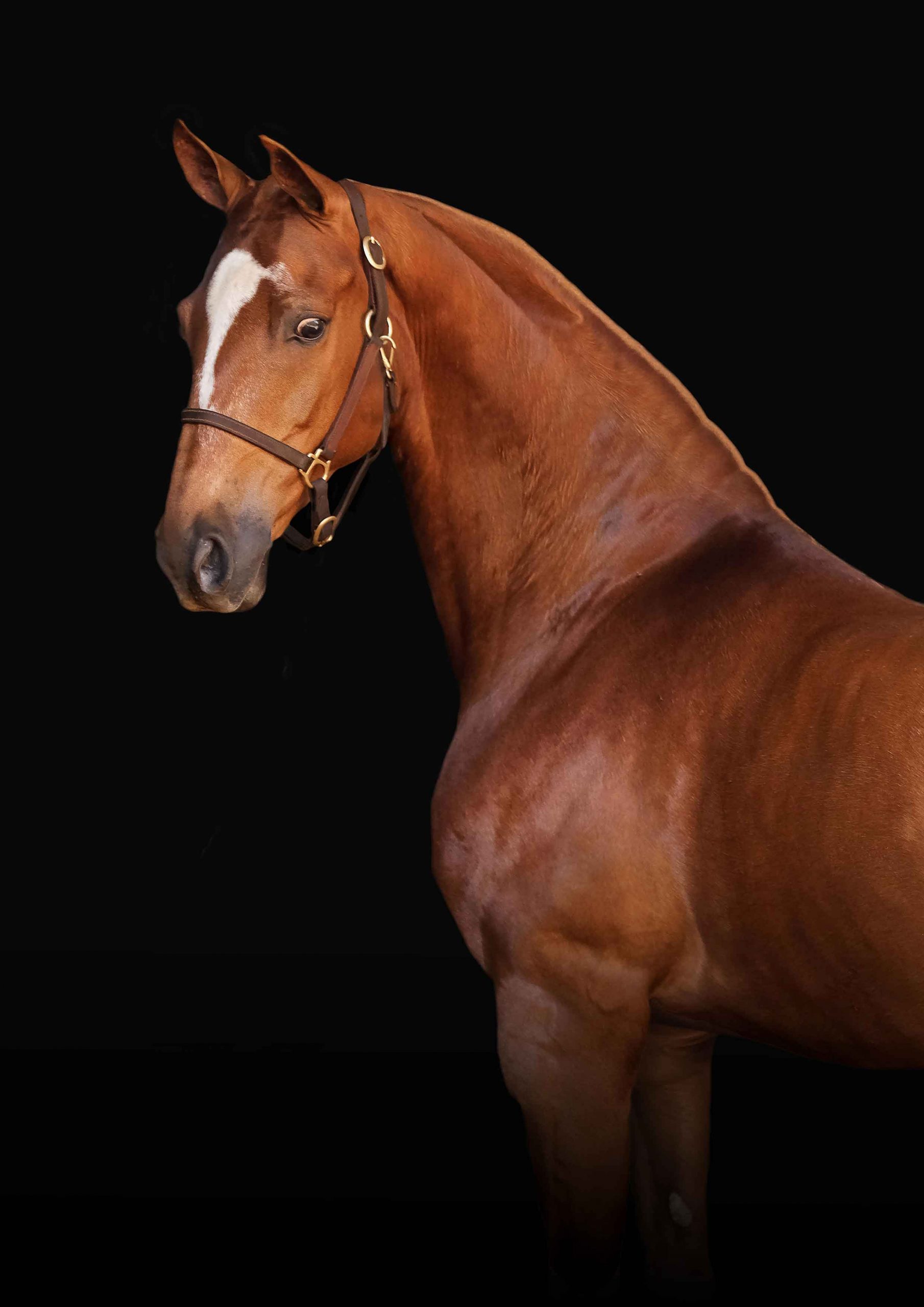
Question 02 / 08
What are the Unique Challenges of Equine Photography?
Equine photography is an intricate dance between capturing the raw power and delicate grace of horses. One of the primary challenges lies in the unpredictability of the subjects. Horses, while majestic, are also highly sensitive and reactive animals. Their movements can be sudden and swift, making it difficult to capture the perfect shot without a deep understanding of their behaviour. A photographer must be patient, observant, and ready to click at precisely the right moment to seize the beauty and essence of the horse.
Another significant challenge is the sheer size and dynamic range of horses. Unlike smaller animals or stationary subjects, horses require a photographer to constantly adjust their angles, focus, and framing. Capturing the full expanse of a galloping horse or the intricate details of a close-up portrait demands a high level of technical skill. Additionally, the photographer must be adept at working in various terrains and environments, as the backdrop can greatly influence the overall composition and impact of the photograph.
Moreover, the relationship between the horse and photographer is crucial. Horses are known for their keen senses and can easily pick up on human emotions. A photographer must be calm, confident, and respectful to gain the trust of the horse. This connection allows the photographer to capture more natural and relaxed shots, showcasing the true personality and spirit of the horse. Building this rapport often requires time and patience, but the results are well worth the effort, resulting in images that resonate on a deeper emotional level.
Question 03 / 08
What Essential Equipment Makes Capturing Equine Beauty Effortless and Stunning?
To excel in equine photography, having the right equipment is paramount. A high-quality camera with a fast shutter speed is essential to freeze the quick movements of a horse. DSLR and mirrorless cameras with advanced autofocus systems are typically favored by professional photographers for their precision and reliability. Additionally, a camera with a high burst rate allows for continuous shooting, increasing the chances of capturing the perfect moment.
Lenses play a critical role in equine photography. Telephoto lenses, such as a 70-200mm or 100-400mm, are ideal for capturing action shots from a distance while maintaining sharpness and clarity. These lenses also help in isolating the subject from the background, creating a striking visual effect. For close-up portraits, a prime lens with a wide aperture, such as an 85mm or 135mm, can produce stunning images with beautiful bokeh, highlighting the intricate details of the horse’s features.
In addition to cameras and lenses, other accessories can enhance the quality of equine photographs. A sturdy tripod is invaluable for stabilizing the camera, especially in low-light conditions or when using long lenses. Reflectors and diffusers can be used to manipulate natural light, softening harsh shadows and adding a flattering glow to the subject. Lastly, a good editing software is essential for post-processing, allowing photographers to fine-tune their images and bring out the best in each shot.
All eight questions ↑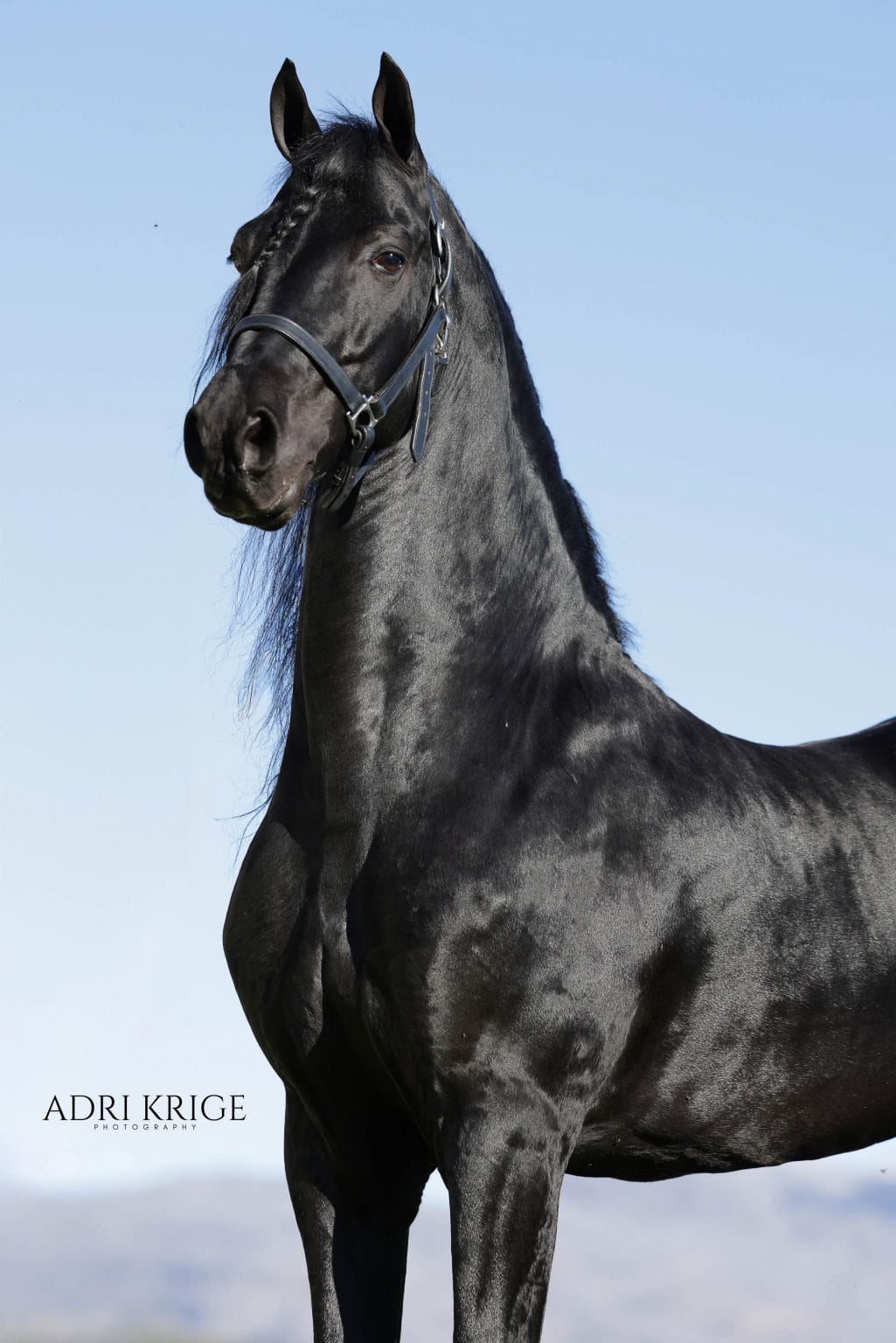
Question 04 / 08
What Are the Best Techniques for Stunning Equine Portraits?
Creating stunning equine portraits requires a blend of technical skill, artistic vision, and an understanding of the subject. One of the key techniques is to focus on the horse’s eyes. The eyes are often considered the windows to the soul and capturing them with sharpness and clarity can convey a wealth of emotion and personality. A well-executed eye-level shot can create a powerful connection between the viewer and the horse, drawing them into the image.
Another important technique is to use natural light to your advantage. Early morning or late afternoon light, often referred to as "golden hour," provides a soft, warm glow that can enhance the beauty of the horse. Positioning the horse so that the light falls gently on its coat can create a radiant effect, highlighting its natural colours and textures. Backlighting can also be used creatively to outline the horse’s silhouette, adding a dramatic flair to the portrait.
Composition is equally critical in equine portraits. Techniques such as the rule of thirds can help create balanced and visually appealing images. Placing the horse slightly off-center can add interest and depth to the photograph. Additionally, paying attention to the background is essential. A clutter-free background ensures that the focus remains on the horse, while elements like trees, fences, or open fields can add context and complement the overall composition. Experimenting with different angles, perspectives, and framing can lead to unique and captivating portraits that stand out.
All eight questions ↑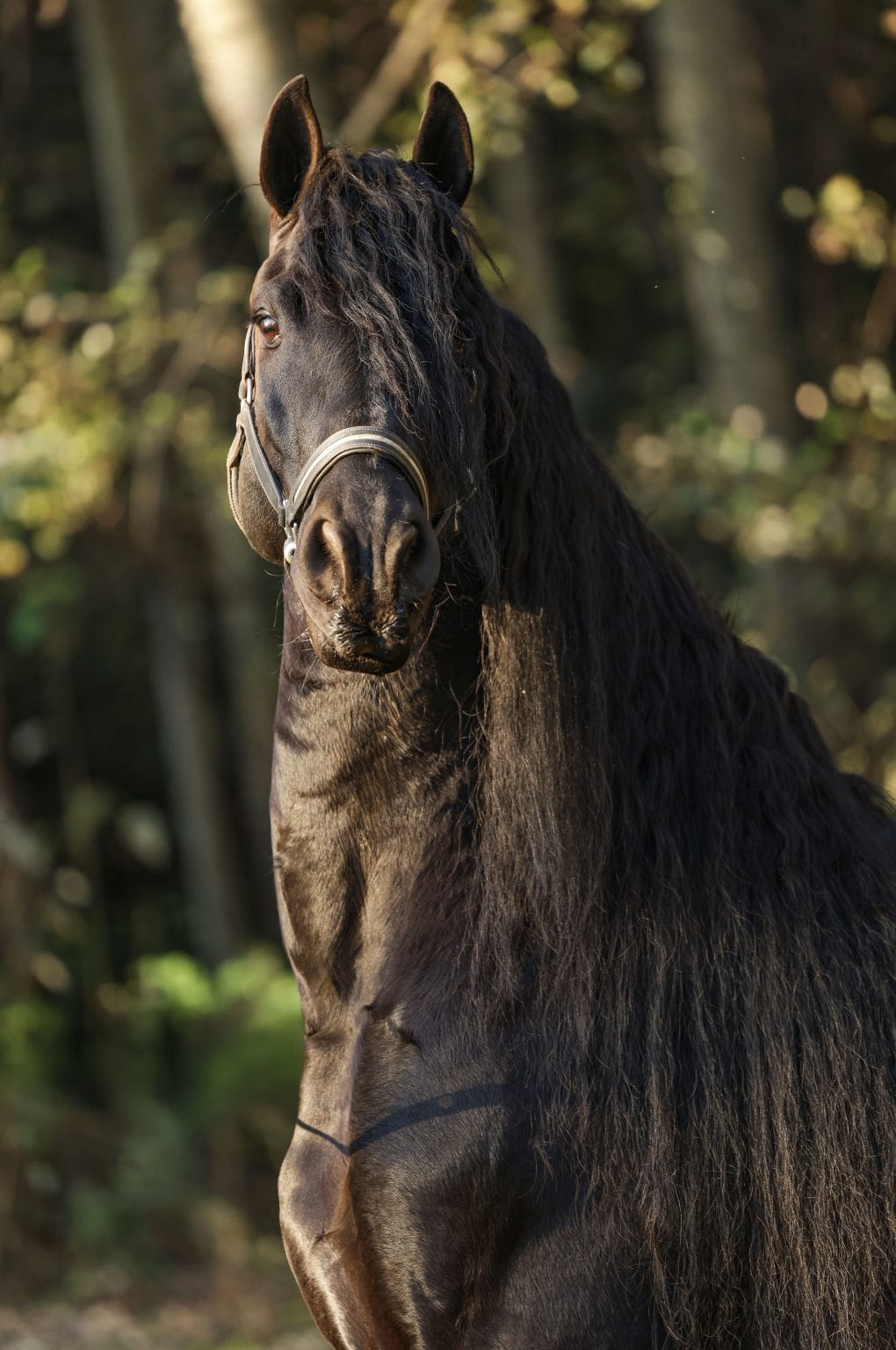
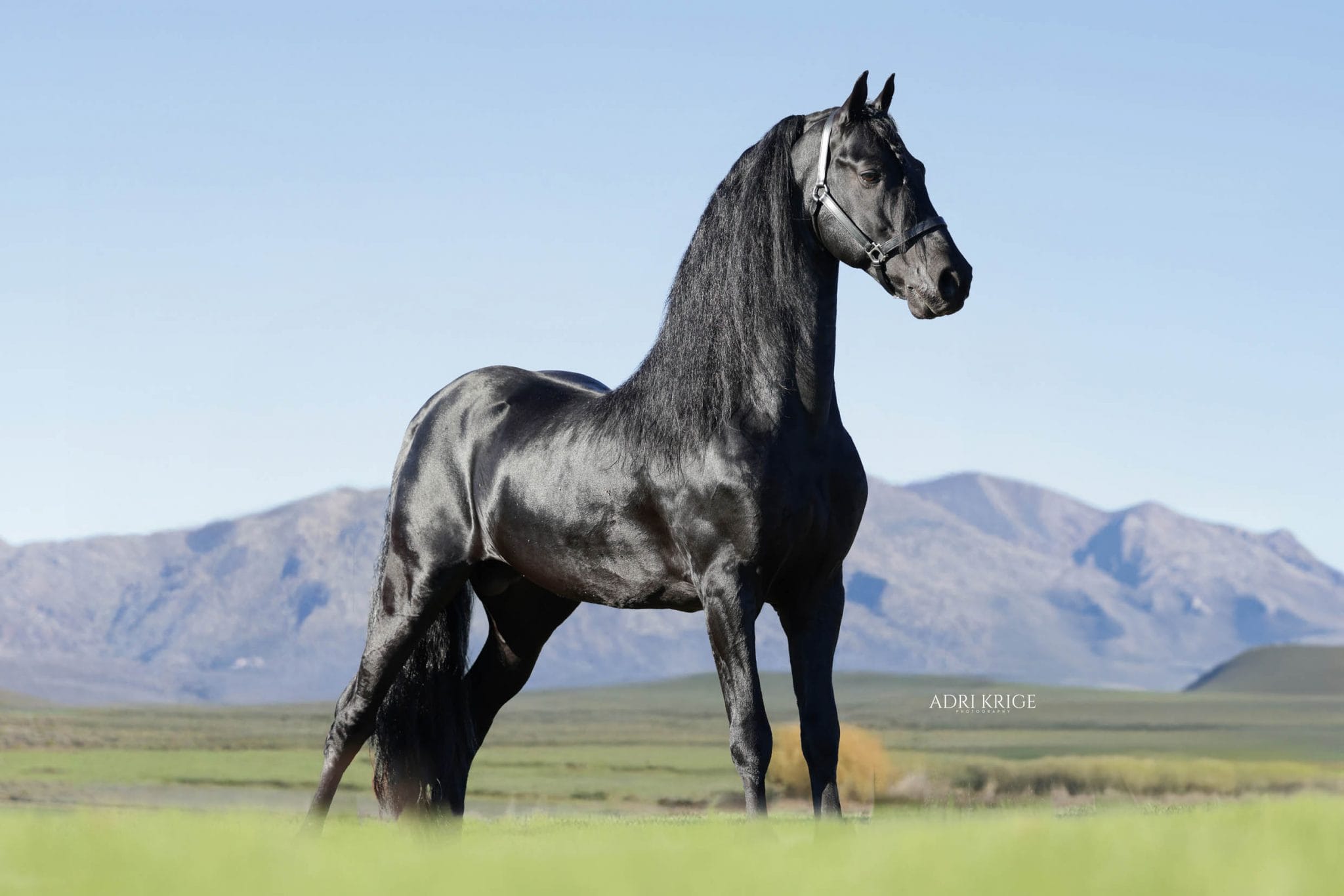
“Investing in professional equine photography is an investment in preserving the beauty and legacy of your horse.”Adri Krige
Question 05 / 08
Why Is Understanding Equine Behaviour Essential for Better Shots?
A deep understanding of equine behaviour is indispensable for any photographer aiming to capture the true essence of horses. Horses are prey animals, and their instincts are driven by an acute awareness of their surroundings. Recognising signs of discomfort or stress, such as pinned ears, swishing tails, or tense muscles, is crucial. By observing these cues, a photographer can adjust their approach, ensuring the horse remains calm and comfortable throughout the shoot. The South African Equestrian Federation, which governs equestrian sport in this country, places the same emphasis on welfare.
Building a rapport with the horse beforehand can lead to more natural and relaxed shots. Spending time with the horse, allowing it to become familiar with your presence and equipment, can significantly reduce anxiety. Gentle strokes, a soothing voice, and a patient demeanour can go a long way in establishing trust. When the horse feels secure, it is more likely to exhibit its true character, allowing for more genuine and expressive photographs.
Timing and anticipation are also key aspects of capturing compelling equine images. Horses have distinct rhythms and patterns in their movements. Understanding these can help photographers predict and capture moments of peak action or emotion. For instance, knowing when a horse is likely to raise its head, flick its ears, or exhibit a playful gesture can make the difference between a good shot and an extraordinary one. Being attuned to these behavioural nuances enables photographers to seize moments that truly encapsulate the spirit of the horse.
All eight questions ↑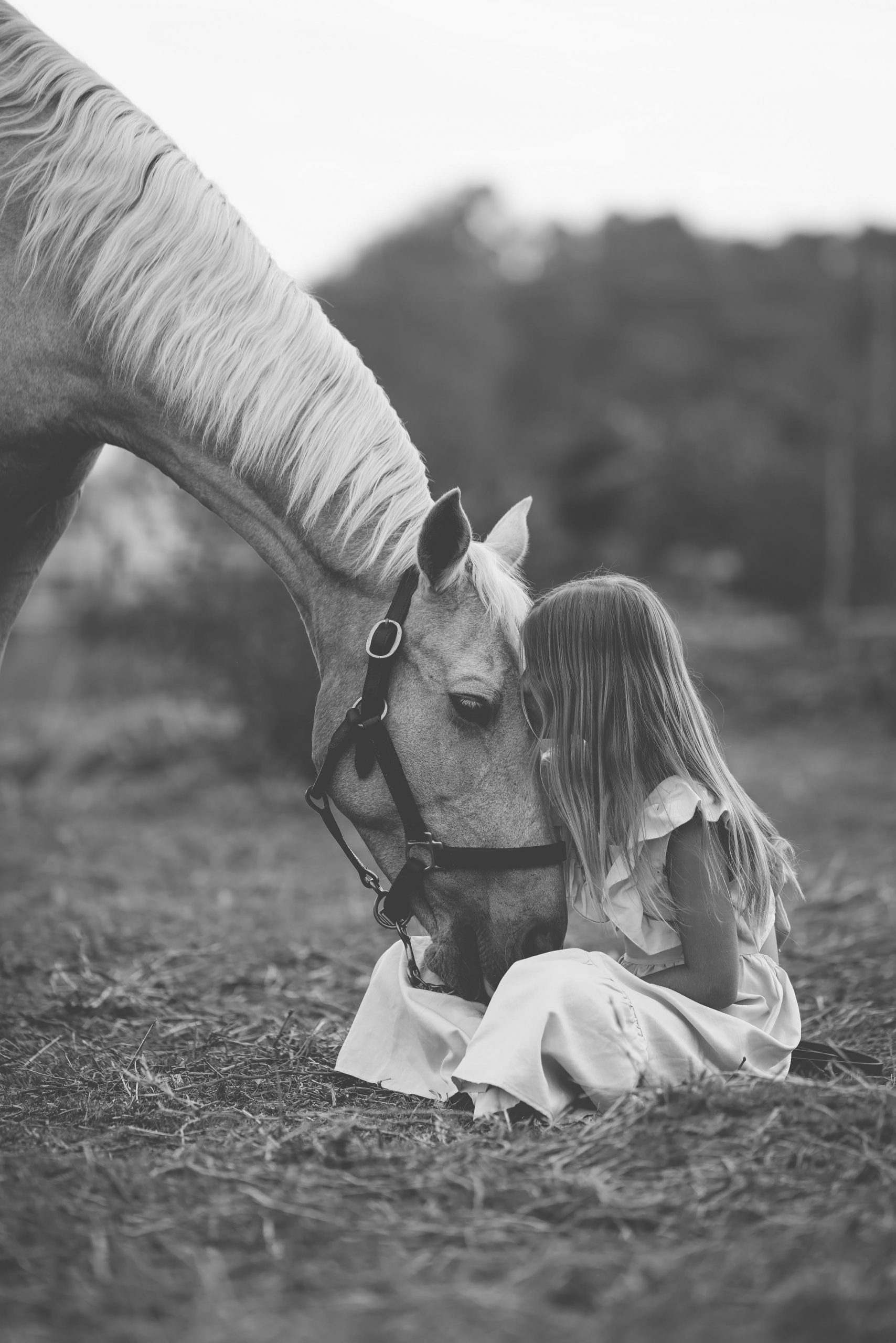
Question 06 / 08
Why Is the Importance of Lighting in Equine Photography Often Overlooked?
Lighting is one of the most critical elements in photography, and this holds especially true for equine photography. Natural light is often the preferred choice, as it brings out the true colours and textures of the horse’s coat. The quality and direction of light can dramatically influence the mood and impact of the photograph. Soft, diffused light is ideal for capturing the subtle details and nuances of the horse’s features, while harsh, direct light can create unflattering shadows and highlights.
The time of day plays a significant role in determining the quality of light. The golden hour, which occurs shortly after sunrise and before sunset, offers the most flattering light for equine photography. During this time, the sun is low in the sky, casting a warm, gentle glow that enhances the horse’s natural beauty. Midday light, on the other hand, can be harsh and unyielding, creating strong contrasts and deep shadows. If shooting during this time is unavoidable, seeking out shaded areas or using reflectors and diffusers can help manage the intensity of the light.
Artificial lighting can also be used effectively in equine photography, particularly in controlled environments such as studios or indoor arenas. Flash and continuous lighting systems allow photographers to manipulate light precisely, creating desired effects and moods. However, it’s important to introduce artificial light gradually and ensure the horse is comfortable with it. Sudden flashes or bright lights can startle the horse, disrupting the shoot and potentially causing distress. With careful planning and consideration, both natural and artificial lighting can be harnessed to create stunning and evocative equine images.
All eight questions ↑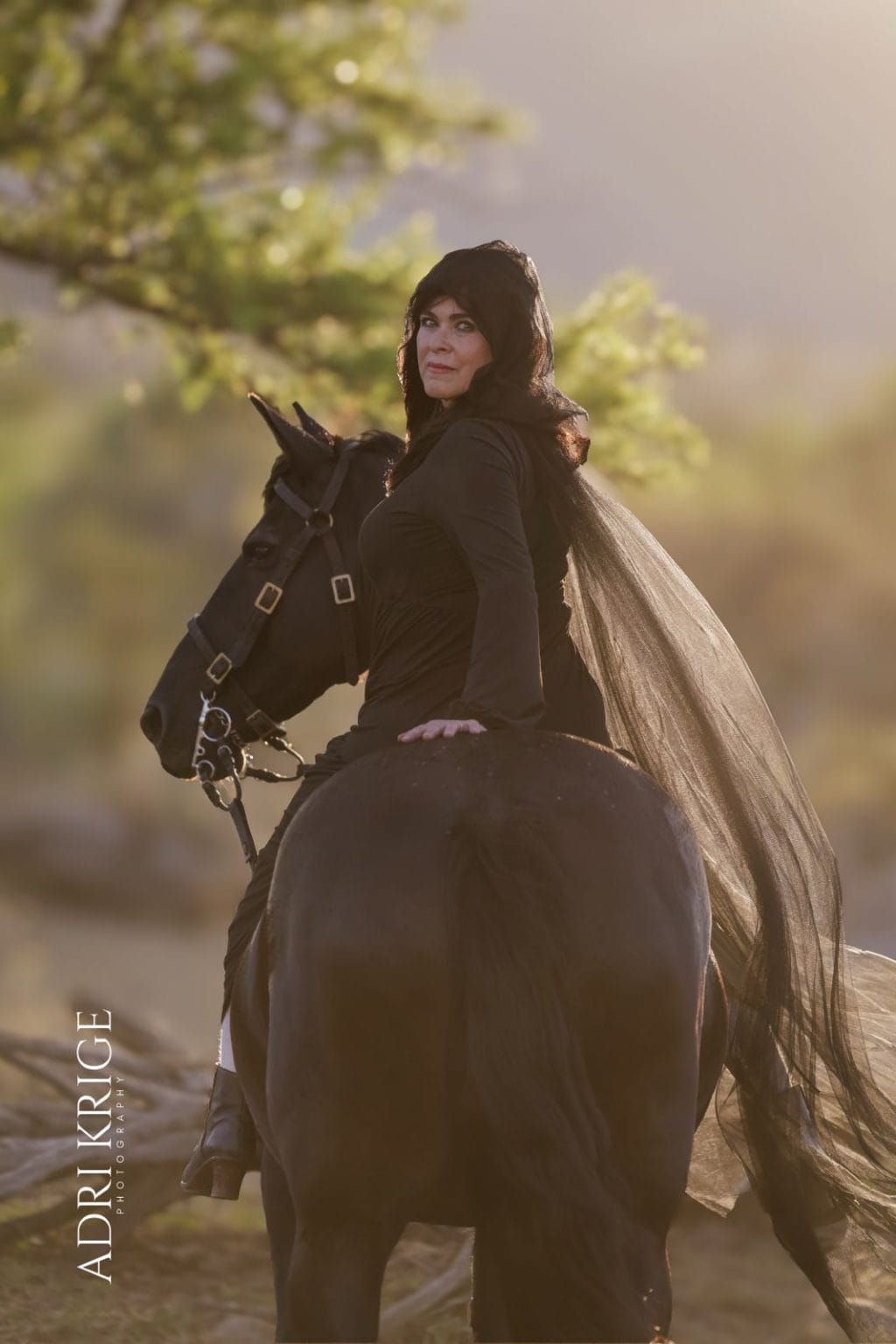
Question 07 / 08
Why Does Choosing the Right Location for Equine Shoots Matter So Much?
Selecting the right location for an equine photoshoot is a crucial aspect that can significantly influence the outcome of the photographs. The location should complement the horse, enhancing its beauty and allowing its personality to shine through. Open fields, picturesque meadows, and rustic barns are popular choices that provide a natural and serene backdrop. These settings not only offer ample space for the horse to move freely but also contribute to a relaxed and comfortable atmosphere.
When choosing a location, it’s important to consider the safety and familiarity of the environment for the horse. A place where the horse feels at ease will result in more natural and genuine expressions. If the horse is accustomed to a particular setting, such as its home stable or a favorite pasture, it’s likely to be more relaxed and cooperative during the shoot. Familiar locations also reduce the risk of the horse being startled or stressed by unfamiliar sights and sounds.
Additionally, the location should offer diverse elements that can be incorporated into the composition. Natural features like trees, hills, and water bodies can add depth and interest to the photographs. Man-made structures, such as fences, gates, and barns, can also provide context and visual appeal. It’s essential to scout the location beforehand, identifying the best spots and angles for shooting. This preparation ensures that the photographer can make the most of the environment, capturing images that are both beautiful and meaningful.
All eight questions ↑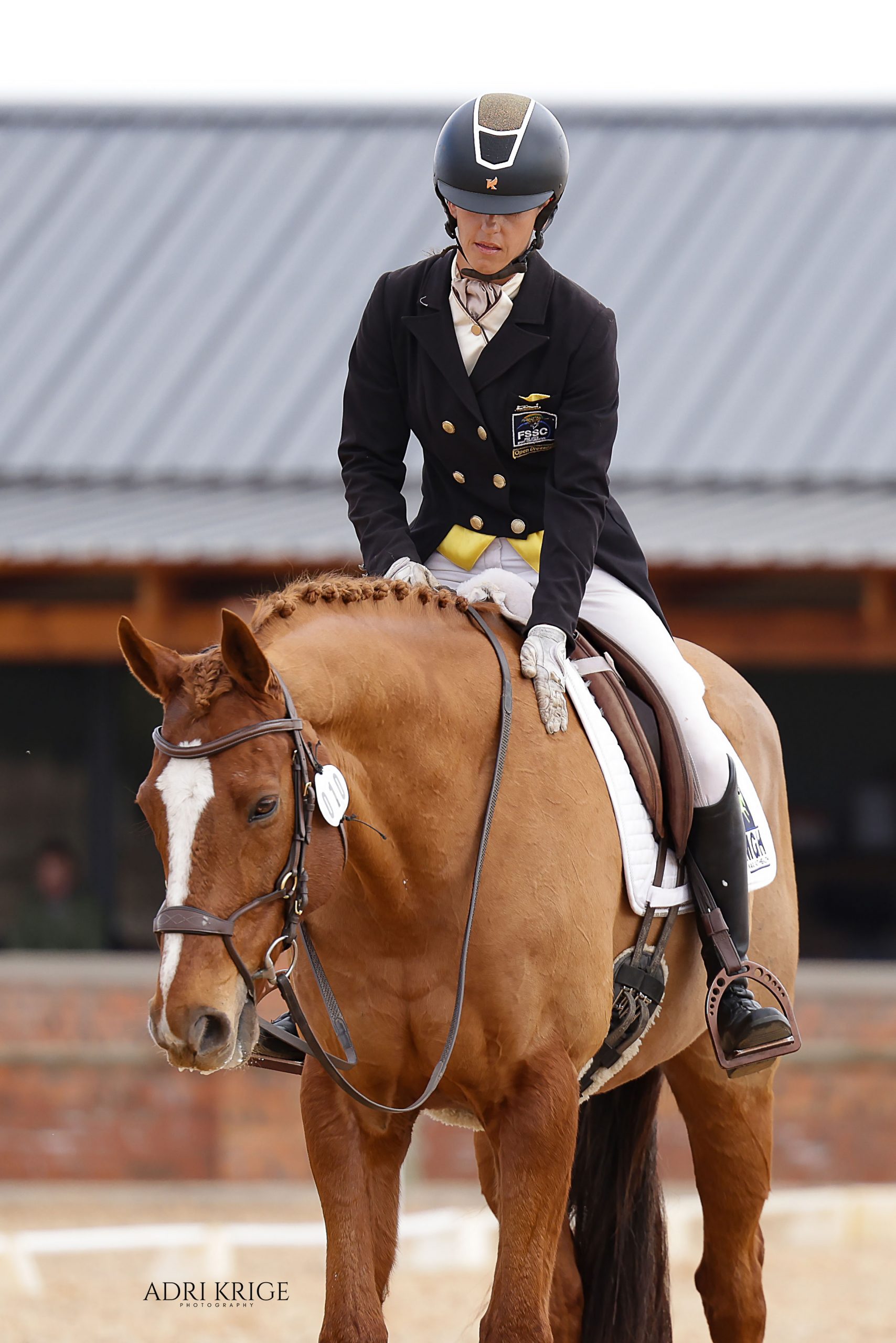
Question 08 / 08
How Can You Elevate Your Equine Experience with Expert Photography?
Equine photography is more than just capturing an image; it is an art form that celebrates the beauty, strength, and spirit of horses. The expertise of a professional photographer can transform ordinary moments into extraordinary memories, preserving the essence of these magnificent creatures in stunning detail. From understanding the unique challenges and technical requirements to building a rapport with the horse and selecting the perfect location, every aspect of equine photography requires skill, knowledge, and passion.
By choosing an expert equine photographer, horse owners can ensure that their equine companions are captured in the best possible light. Professional photographs not only enhance the aesthetic quality of the images but also convey the deep bond and shared experiences between horse and owner. Whether for personal enjoyment, promotional purposes, or competitive showcasing, professional equine photography offers unparalleled value and lasting impact.
In the end, investing in professional equine photography is an investment in preserving the beauty and legacy of your horse. It is a way to honor and celebrate the unique qualities that make your horse special, creating timeless images that can be cherished for years to come. So, take the leap and elevate your equine experience with the artistry and expertise of a professional photographer, capturing the grace and elegance of your horse in all its glory.
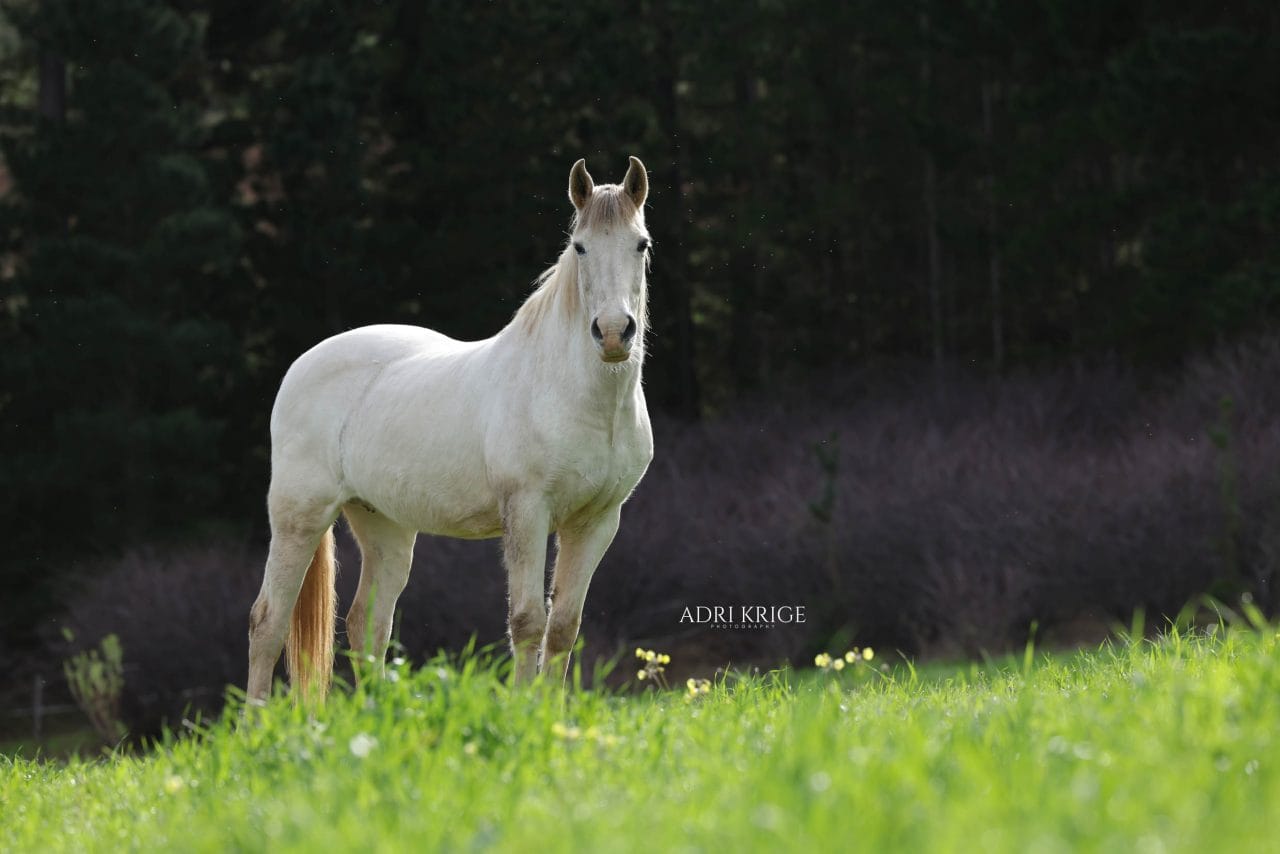
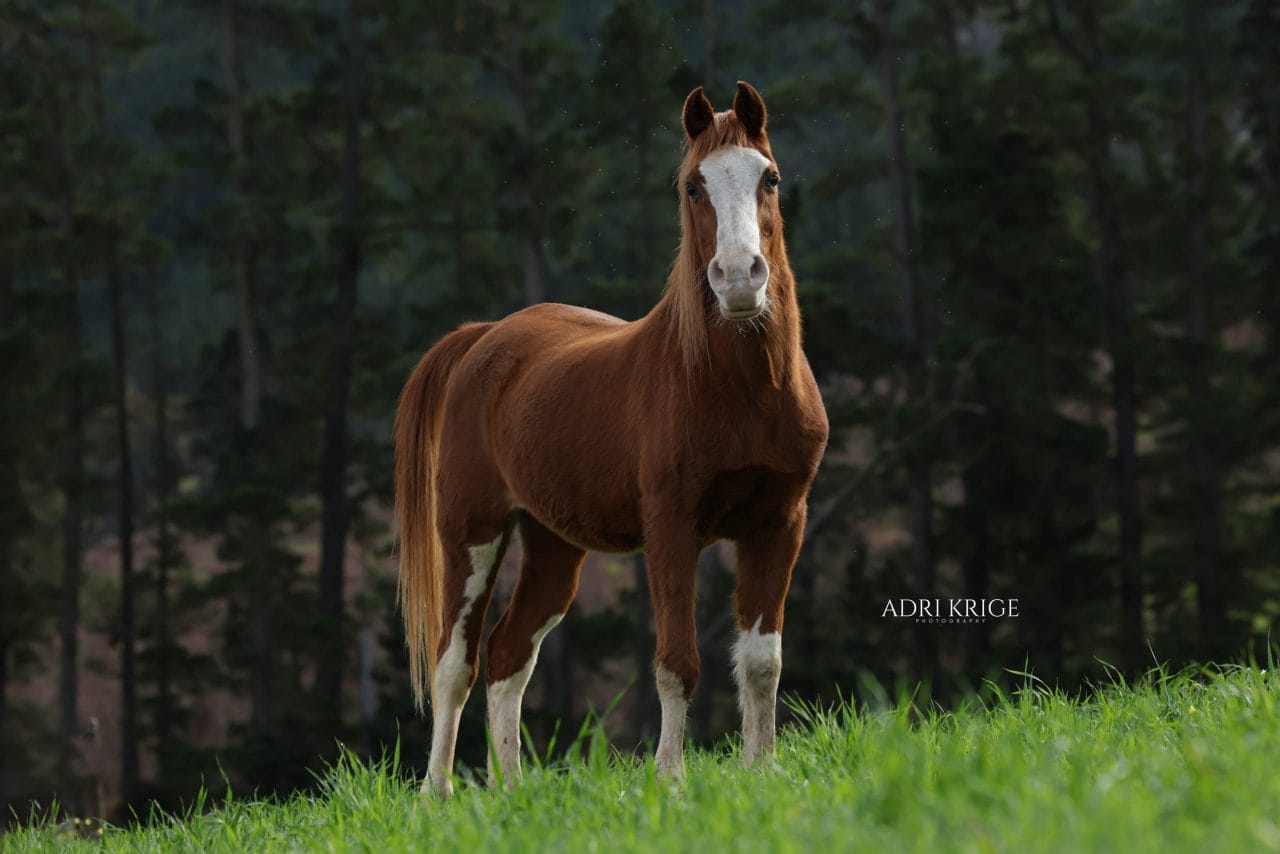
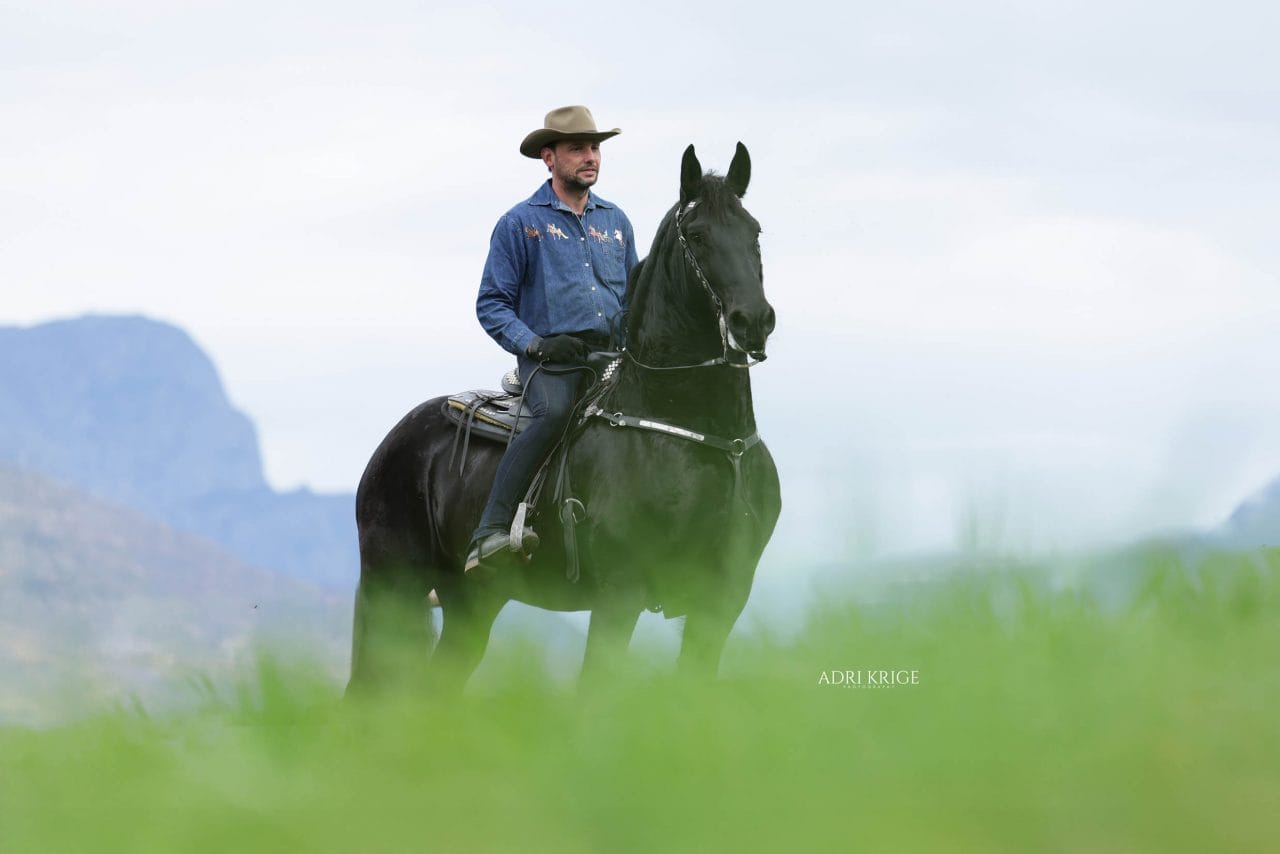
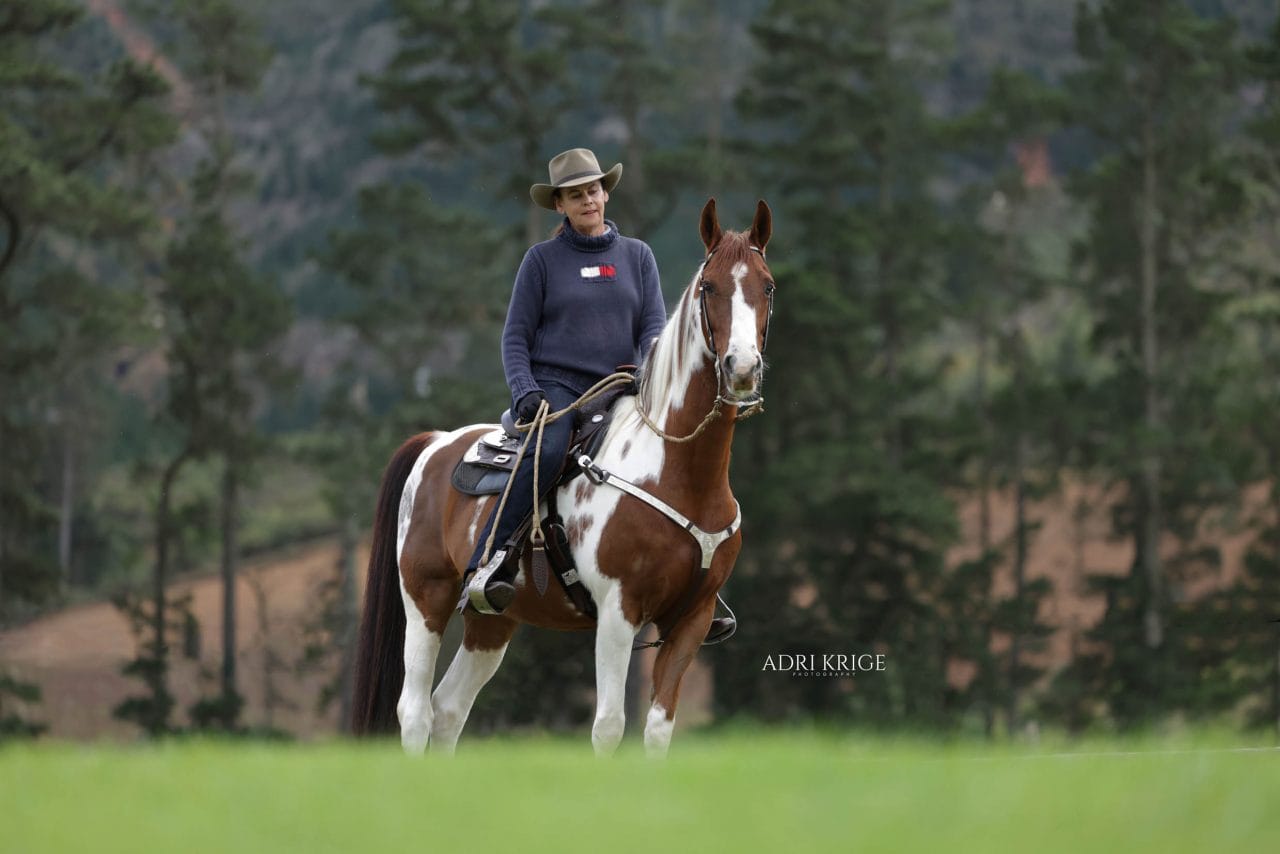
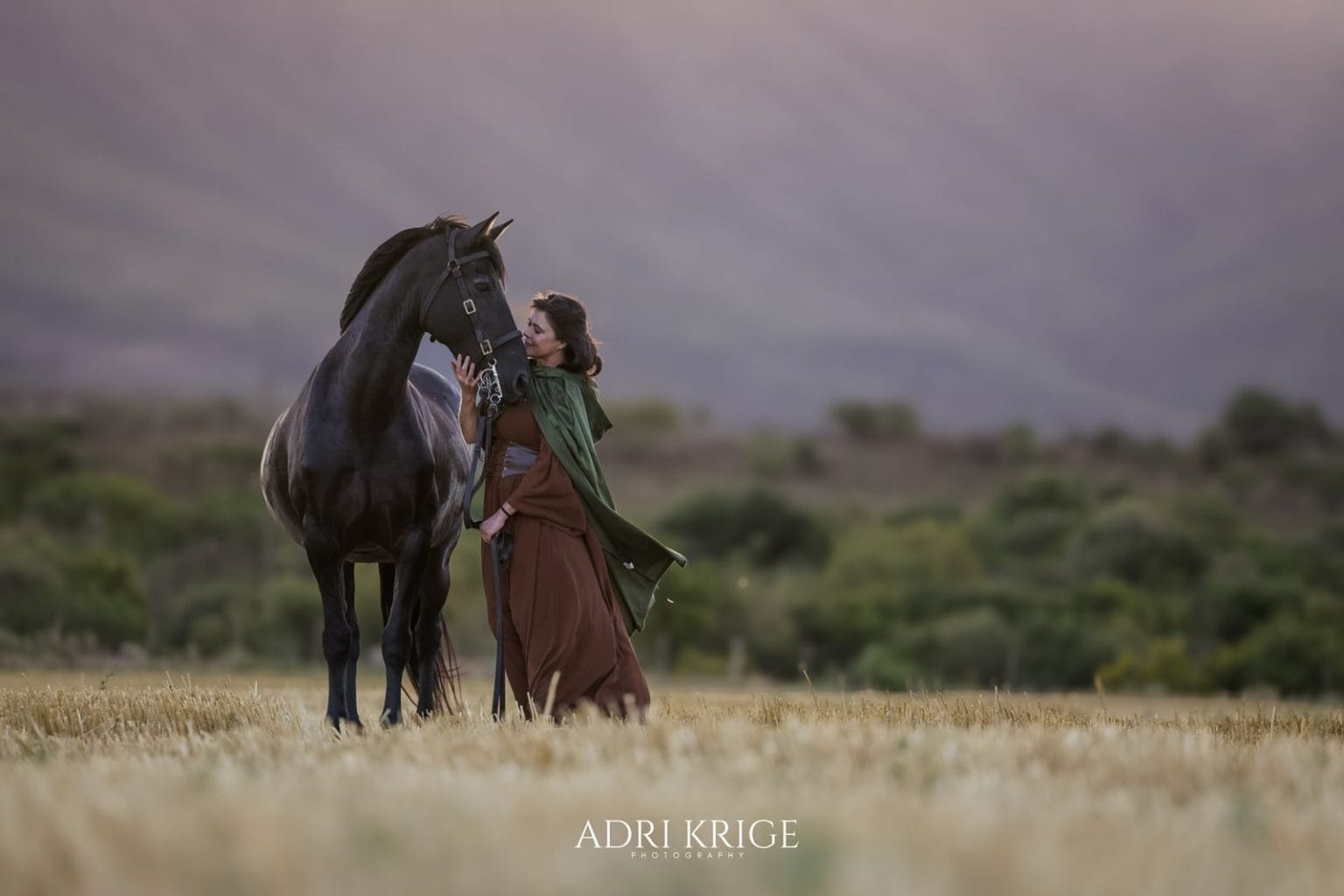
If you would like photographs like these of your own horse, you can read more about horse photography sessions, spend some time in the horse gallery, or look through current horse photography prices. When you are ready, tell me about your horse.
From the horse gallery
Horses, in their own light
Horse photography sessions
Let’s create something timeless with your horse
Horse photography packages start from R1,500. Tell me a little about your horse and what you would love to remember, and we’ll plan your session together.